
Speech Delay in Children: Signs & When to Get Help
An honest, parent-friendly guide to speech and language delay — the milestones to watch, possible causes, when to seek help, and how therapy supports your child.

What is speech and language delay?
Speech and language delay means a child is developing their communication more slowly than most children of the same age.
It helps to separate two related ideas: speech is how a child makes sounds and words, while language is how they understand and put words together to share meaning. A child may be behind in one or both. Every child is different, and some are simply "late talkers" who catch up — but a delay is worth taking seriously so your child gets support if they need it.
Typical milestones versus delay
Milestones are a rough guide, not a strict test — children vary. Still, they help you notice when development may be lagging. It may be worth an assessment if your child:
- Is not babbling or making tuneful sounds in the first year
- Has fewer than about 3 words by 18 months
- Is not putting two words together by 24 months
- Is very hard to understand for people outside the family
- Rarely points, gestures, or tries to communicate wants
- Does not seem to understand simple instructions or questions
- Has lost words or skills they previously had
Also check hearing, and watch for any loss of skills: every child with delayed speech should have a formal hearing test with an audiologist, even if they seem to hear well. Losing words or skills a child previously had — at any age — should be discussed with a paediatrician promptly.
Possible causes
There is not always a clear reason for a delay, and often it is nobody's fault. Some factors that can play a part include:
- Hearing difficulties, including from repeated ear infections
- Differences in oral-motor coordination that affect forming sounds
- Being part of a wider developmental difference, such as autism
- Limited opportunities for rich, back-and-forth interaction
- Family history of speech and language differences
Because the picture varies so much, a proper assessment is the best way to understand what is happening for your individual child.
How Medic Curo helps
If you are concerned, our speech therapy for children in Gurgaon starts with a relaxed assessment at our Sector 70 or Sector 45 centre.
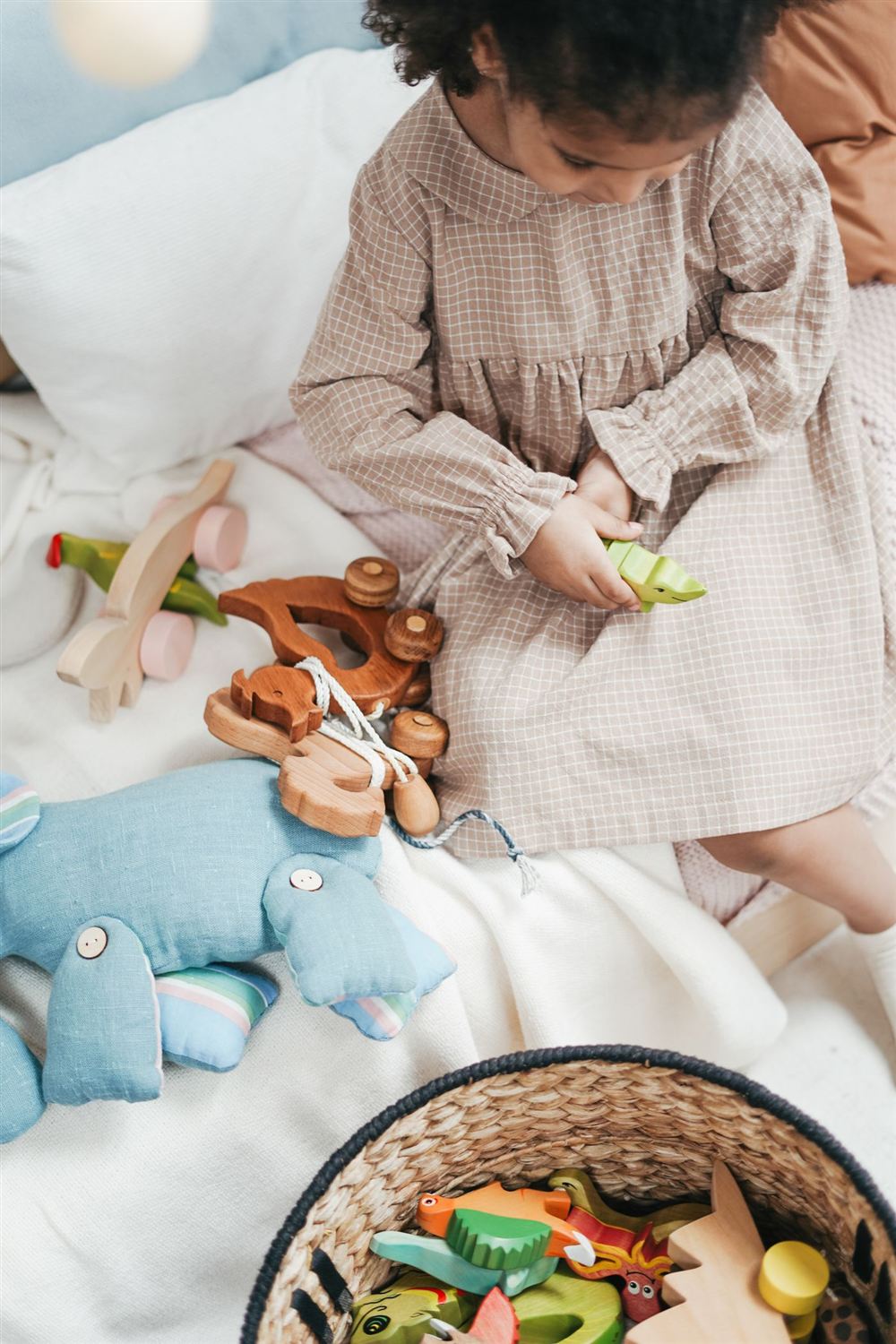
Speech and language therapy builds communication through play, everyday routines and structured activities tailored to your child. It can support understanding, spoken words, clear sounds, and the social side of talking — and it always includes practical ideas for you to use at home.
Speech & Language Therapy
Builds understanding, spoken words, clear sounds and the social side of talking.
Learn more →Early Intervention
For younger children, making the most of the early developmental window.
Learn more →What to expect: when to seek help
Trust your instincts. You do not need to "wait and see" if you are worried. Early support is generally easier and more effective, and even if your child turns out to be a late talker who catches up, an assessment brings reassurance. It is especially worth acting if your child has lost words, seems not to hear well, or is becoming frustrated at not being understood.
Related
Written by the Medic Curo clinical team, led by founder Dr. Ina Gupta (Occupational Therapist, MOT Neurology). Updated October 2026. This page is general information and does not replace an individual assessment.
Common questions about speech delay
What is the difference between speech delay and a speech disorder?
A delay means speech and language are developing in the usual order but more slowly than expected. A disorder means development is following an unusual pattern. An assessment helps tell them apart and guides the right support.
My child understands everything but doesn't talk much. Is that a concern?
Understanding language well is a positive sign. Some children understand far more than they say. If expressive speech still seems well behind peers, an assessment can clarify whether support would help.
Does being bilingual cause speech delay?
Growing up with more than one language does not cause a delay. Bilingual children may mix languages for a time, which is normal. Genuine delay shows up across all the languages a child is learning.
When should I seek help for my child's speech?
Trust your instincts. If your child is well behind expected milestones, has lost words they previously used, or you simply feel something is off, it is worth arranging an assessment. Earlier support is generally easier and more effective.
Concerns about your child's development? Let's talk.
Our specialists will help you understand the next step — no referral needed.