
Autism (ASD) Therapy & Support for Children in Gurgaon
A clear, parent-friendly guide to what autism is, the early signs to look for, and how the right support helps your child communicate, learn and connect.
What is autism spectrum disorder?
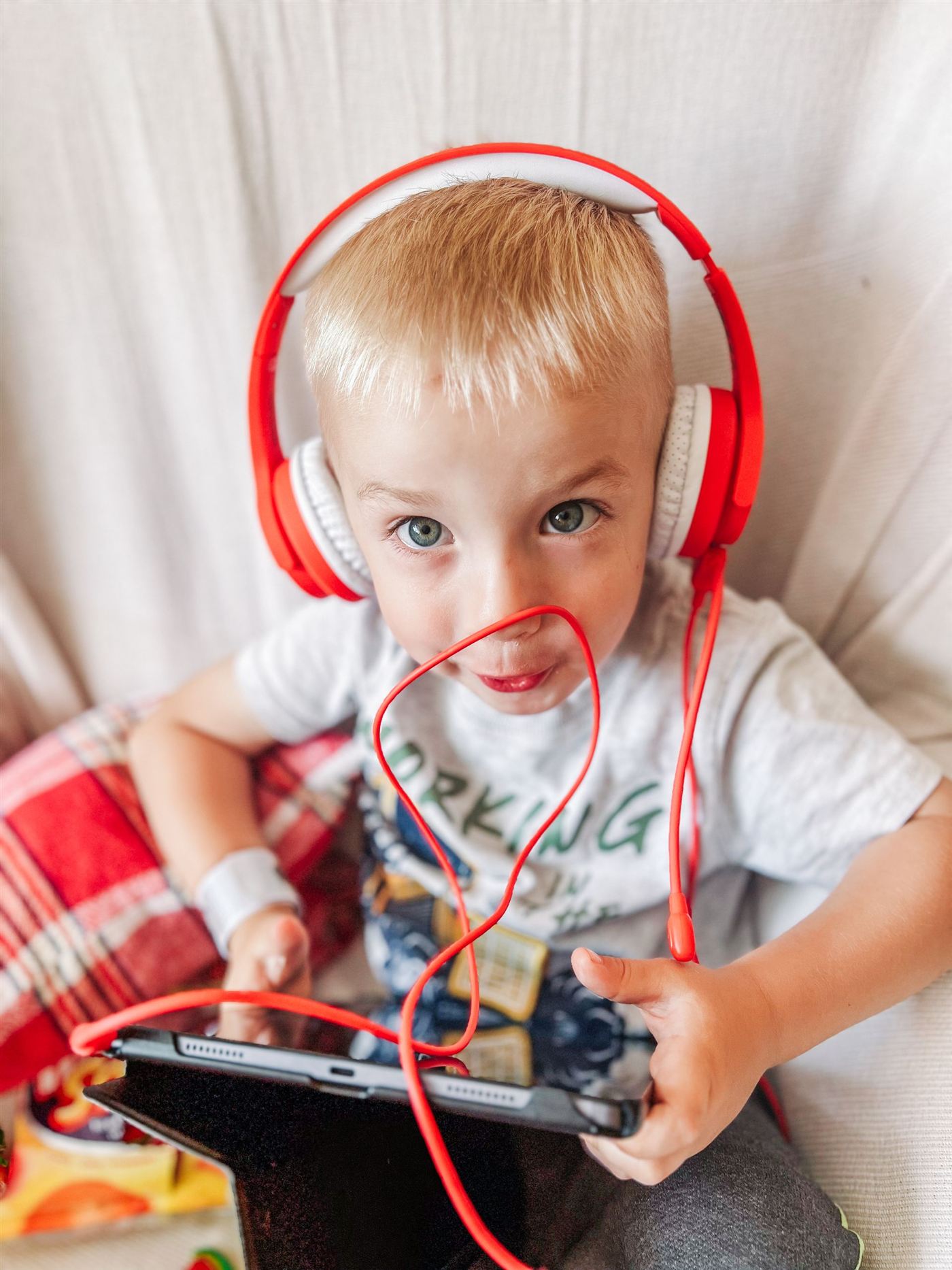
Autism spectrum disorder (ASD) is a developmental difference that affects how a child communicates, interacts with others, and experiences the world around them. It is called a "spectrum" because it looks different in every child — some need a lot of daily support, while others need only a little.
Autism is not an illness and it is not caused by anything a parent did. It is simply a different way of thinking, sensing and relating. Children on the spectrum often have real strengths, such as deep focus on things they enjoy, strong memory, or an eye for detail. Understanding both the strengths and the challenges is what allows a child to be supported well.
Understanding autism starts with a careful, structured assessment rather than a quick label. Our team observes how your child plays, communicates and responds, listens closely to your concerns as a parent, and uses recognised assessment approaches to build a full picture. A formal medical diagnosis is made by qualified professionals; our focus is on assessment and on planning the right support.
Early signs your child may show
No single sign confirms autism, and many children show one or two of these without being autistic. What matters is a pattern over time. You might notice that your child:
- Makes limited eye contact or rarely responds to their name
- Is slow to babble, point, wave, or speak compared with other children their age
- Prefers to play alone and shows little interest in other children
- Repeats words, sounds or movements, such as hand-flapping or lining up toys
- Finds changes to routine very upsetting
- Is unusually sensitive — or under-reactive — to sounds, textures, lights or touch
- Has intense, focused interests in particular objects or topics
Paediatric guidance recommends routine autism screening at the 18- and 24-month check-ups. Any loss of words or skills, or a concern about hearing, should be discussed with your paediatrician promptly.
Autism treatment and therapy in Gurgaon: how Medic Curo helps
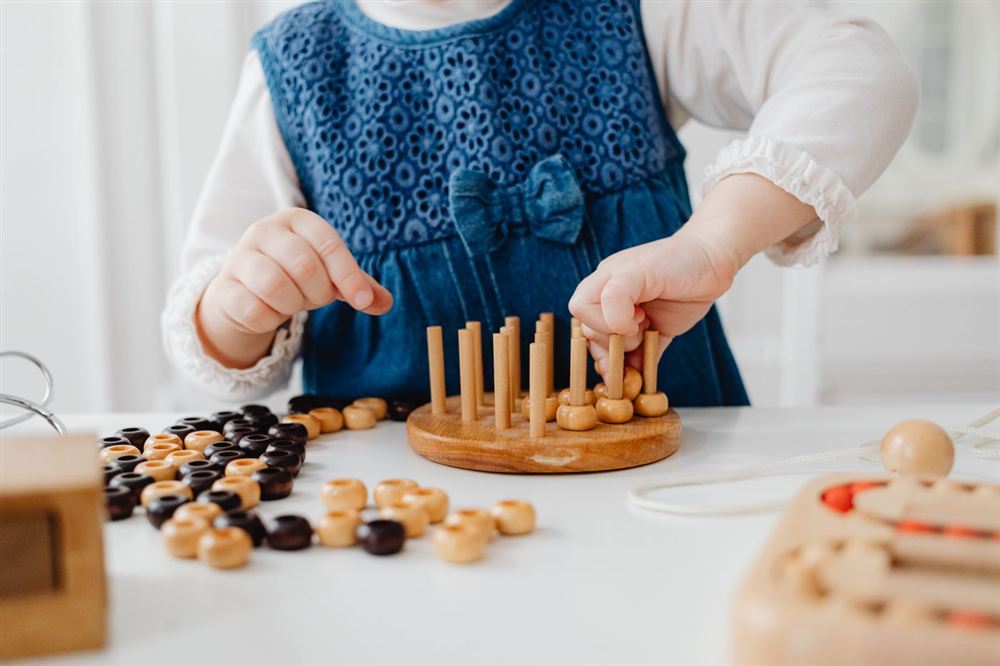
There is no single autism treatment that suits every child, because every child is different. Our autism therapy centre in Gurgaon builds an individual plan that may draw on several of our services working together.
Occupational Therapy
Supports sensory processing (including sensory integration therapy), motor skills and everyday independence.
Learn more →Behavioural Intervention
Encourages helpful skills and eases behaviours that get in the way.
Learn more →Support for your family
Families are the foundation of progress, so parents take an active part in setting and working towards therapy goals. Alongside sessions, families can expect:
- Parent skill-training for everyday behaviour management
- Emotional support and counselling guidance for the whole family
- Help working with your child's school and planning for inclusive education
- Regular progress reviews, so you always know where things stand
What to expect
Support works best when the whole family is part of it. We take time to explain what we are seeing, share practical strategies you can use at home, and answer your questions honestly. Progress with autism is real but often gradual — small, steady steps that add up over time. For younger children, our early intervention service makes the most of the early developmental window. You are not on this journey alone.
Your first visit for autism concerns
Your first visit is a relaxed conversation and a play-based assessment. We ask about your child's history, milestones and daily routines, and we observe how they communicate, play and respond to their surroundings. Nothing is rushed, and you are part of the process throughout. By the end we share what we have seen in plain language and outline a practical next step — whether that is starting therapy, a further assessment, or strategies to try at home. If your child already has a diagnosis or reports from a developmental paediatrician, please bring them along.
Families visit us at our Sector 70 centre (Spaze Forum, Tulip Chowk) and our Sector 45 centre (Uday Nagar). Both welcome children from across Gurgaon.
Related
Written by the Medic Curo clinical team, led by founder Dr. Ina Gupta (Occupational Therapist, MOT Neurology). Updated October 2026. This page is general information and does not replace an individual assessment.
Common questions about autism
At what age can autism be identified?
Signs can sometimes be noticed in the toddler years, and some families notice differences even earlier. If you have concerns at any age, it is worth speaking with a professional — earlier support is generally helpful.
Is autism something that can be cured?
Autism is a lifelong difference in how a person experiences the world, not an illness to be cured. Therapy focuses on building skills, communication and independence so a child can thrive.
Does my child need a referral to start therapy?
No referral is needed. You can book a consultation directly with our team, who will assess your child and discuss the options with you.
Which therapies help children with autism?
A plan is tailored to each child and may include occupational therapy, speech and language therapy, behavioural intervention, special education and early intervention.
Do I need a diagnosis before starting autism therapy?
No. Many families come to us with concerns rather than a diagnosis. Our assessment helps us understand your child's strengths and needs and plan support; where a formal diagnosis is useful, we explain who can provide it and work alongside them.
Concerns about your child's development? Let's talk.
Our specialists will help you understand the next step — no referral needed.