

For many parents, the first indicator that development is not following a typical trajectory is the absence of spoken language. However, speech is often just the most visible layer of a complex developmental picture.
At Medic Curo, we help families look beneath the surface to determine whether a child is facing a specific language hurdle or a broader neurodevelopmental profile.
Understanding these nuances early is the first step toward an actionable roadmap for your child's growth.
The core differentiator: social reciprocity
The most significant clinical marker distinguishing a simple speech delay from autism is social reciprocity — the back-and-forth flow of human interaction.
- Communication with intent: A child with a speech delay is often a "socially hungry" communicator. Despite lacking words, they will use intense eye contact, tug at your hand, and use elaborate gestures or facial expressions to make sure you understand their needs. Many clearly want to connect — what they lack is the words to do it.
- The social communication gap: In cases of autism, the challenge lies in the fundamental desire or ability to share experiences. A child may not point to show you an object of interest (joint attention), may not consistently respond to their name, or may seem content playing in isolation without seeking a shared social connection.
- Non-verbal cues: While a speech-delayed child uses non-verbal tools to bridge the gap, a child on the spectrum may have limited or "flat" facial expressions and may struggle to use or understand social gestures like waving or nodding.
The role of speech therapy: building the mechanics of language
When a child has the social drive to connect but struggles with the production of sounds, speech therapy becomes the primary intervention.
- Expressive vs. receptive language: Speech therapy addresses both the ability to produce sounds (expressive) and the ability to understand what others are saying (receptive).
- Articulation and clarity: For many children, the issue is not a lack of words but the clarity of those words. Therapists work on the physical coordination of the tongue, lips, and jaw.
- Functional communication: The goal of speech therapy is to give the child a reliable way to express thoughts — whether through verbal speech, signs, or assistive technology — reducing the frustration that often leads to behavioural outbursts.
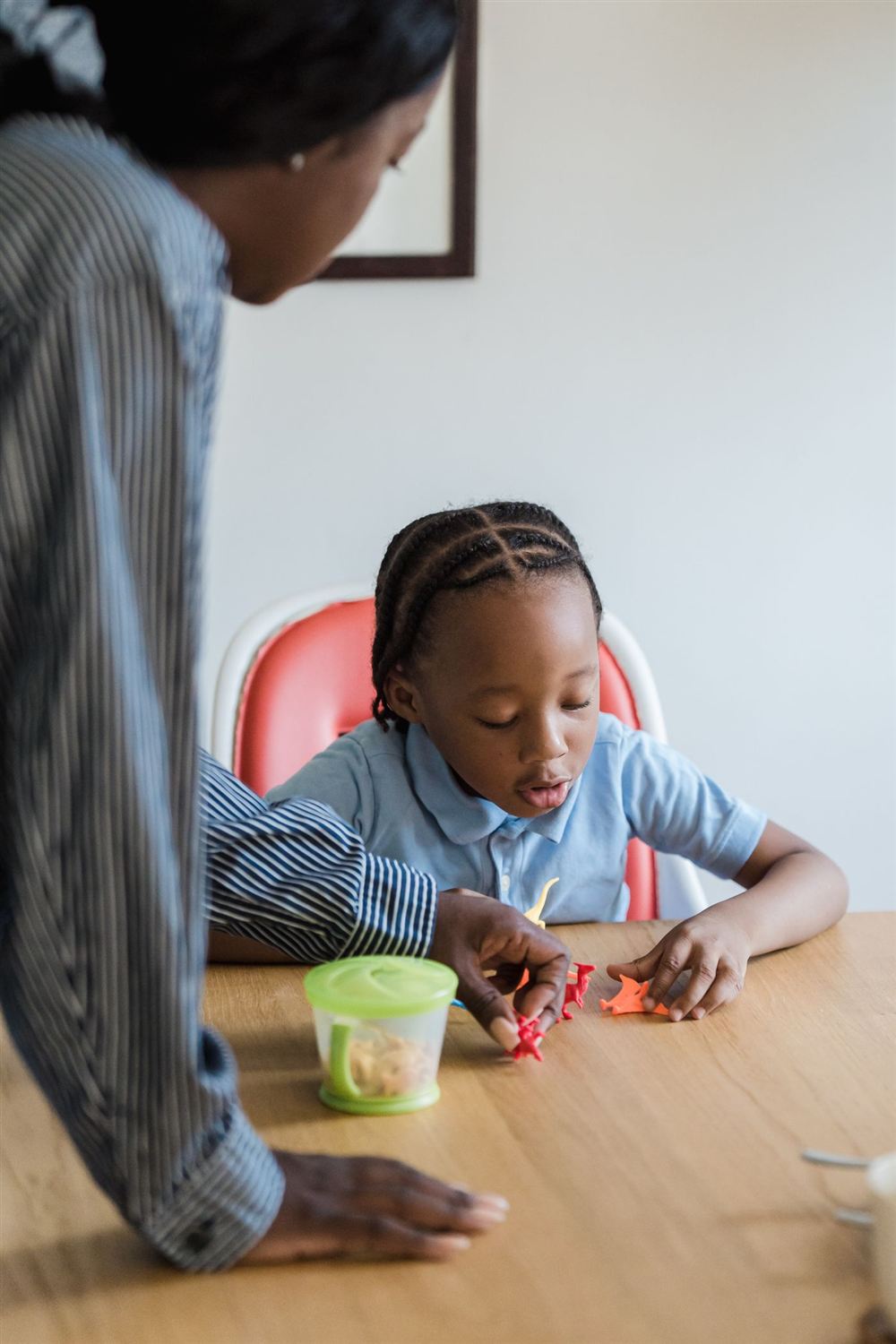
When development needs occupational therapy
Sometimes, what appears to be a refusal to speak is actually a struggle with sensory processing. This is where occupational therapy becomes inseparable from the developmental conversation.
- Sensory regulation: If a child is overwhelmed by background noise or the texture of their clothing, their brain lacks the "bandwidth" to process speech.
- Building a foundation: For some children, occupational therapy that addresses sensory needs helps them feel calmer and more available for interaction and language.
Bridging learning gaps with special education
When a developmental delay begins to affect a child's ability to follow instructions or engage with peers, special education provides the necessary scaffolding.
- Adaptive learning: Rather than traditional rote learning, special education focuses on functional communication and cognitive flexibility.
- Tailored scaffolding: It ensures that the child's learning environment is adapted to their specific neurodivergent needs, helping them bridge the gap in academic and functional life skills.
Empowering families: parenting support and guidance
Assessment and therapy are only two parts of the journey; the most consistent environment a child has is their home. Parenting support and guidance are an important part of long-term progress.
Children spend most of their time with parents and caregivers, which means developmental progress does not depend only on therapy sessions. The strategies used at home, the emotional environment, and the consistency of communication all influence a child's growth and confidence.
At Medic Curo, we believe parents should feel informed, empowered, and actively involved throughout the developmental journey.
- At-home strategies: We give parents practical tools to manage sensory meltdowns and reinforce verbal milestones in daily life.
- Action over anxiety: In early development, time is a valuable resource. Moving from "wait and watch" to an informed plan through professional guidance helps reduce parental stress and supports the child's potential.
Parental guidance also helps create consistency between therapy goals and daily routines. This consistency often leads to better communication outcomes, improved emotional regulation, and stronger social participation.
Why early intervention matters
The early years of childhood are the most adaptable stage of brain development. During this period, the brain forms critical neural connections related to communication, emotional regulation, learning, and social behaviour.
Early intervention gives children the opportunity to strengthen these developmental foundations before challenges become more deeply established.
Research generally finds that children who receive support early tend to show stronger outcomes in:
- Speech and language development
- Social interaction skills
- Behaviour regulation
- Attention and focus
- Academic readiness
- Daily independence
Delaying intervention may increase future developmental, emotional, and academic challenges. Early support does not simply improve speech; it improves overall participation in life.
Whether a child needs speech therapy, occupational therapy, special education, or a combination of developmental services, beginning support early creates a stronger foundation for future growth.
When should parents seek professional guidance?
Parents should consider a professional developmental evaluation if a child:
- Is not speaking meaningful words by 18–24 months
- Shows limited eye contact
- Does not consistently respond to their name
- Struggles with social interaction
- Displays repetitive behaviours
- Has difficulty understanding instructions
- Shows sensory sensitivities to sounds, textures, or movement
Seeking professional guidance early does not mean something is "wrong" with the child. It simply allows families to better understand the child's developmental profile and begin supportive intervention if needed.
Conclusion
Every child develops differently, and delayed speech does not always mean autism. However, understanding the difference early can make a significant impact on a child's communication, learning, emotional regulation, and social development.
At Medic Curo, we provide speech therapy, occupational therapy, special education, and parenting guidance in Gurgaon to support children with developmental challenges through structured, evidence-based intervention.
With the right support system, children can strengthen communication, confidence, independence, and overall quality of life, while families gain the clarity and guidance needed to move forward.
Families visit us at our Sector 70 centre at Spaze Forum, Tulip Chowk, near Sohna Road — the closer centre for families from Badshahpur and Sohna — and our Sector 45 centre in central Gurgaon (Gurugram).
Related services and conditions
Explore how we can help: Speech & Language Therapy and Occupational Therapy. Learn more about the conditions discussed here: Autism (ASD) and Speech & Language Delay.