
Feeding Therapy for Children in Gurgaon
For very selective eaters, children who gag on textures, and little ones still learning to chew or self-feed — gentle, play-based feeding therapy that makes mealtimes calmer.
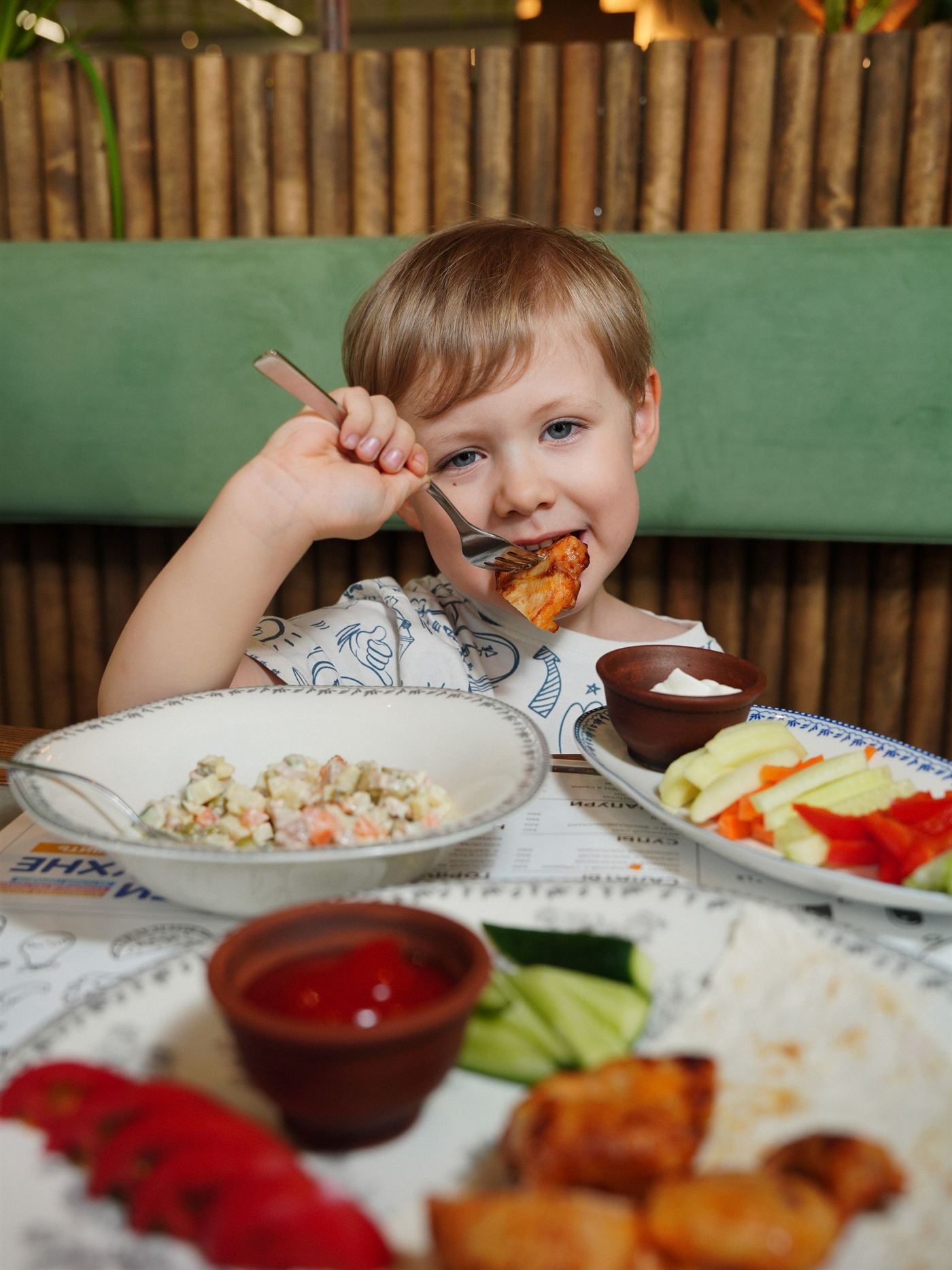
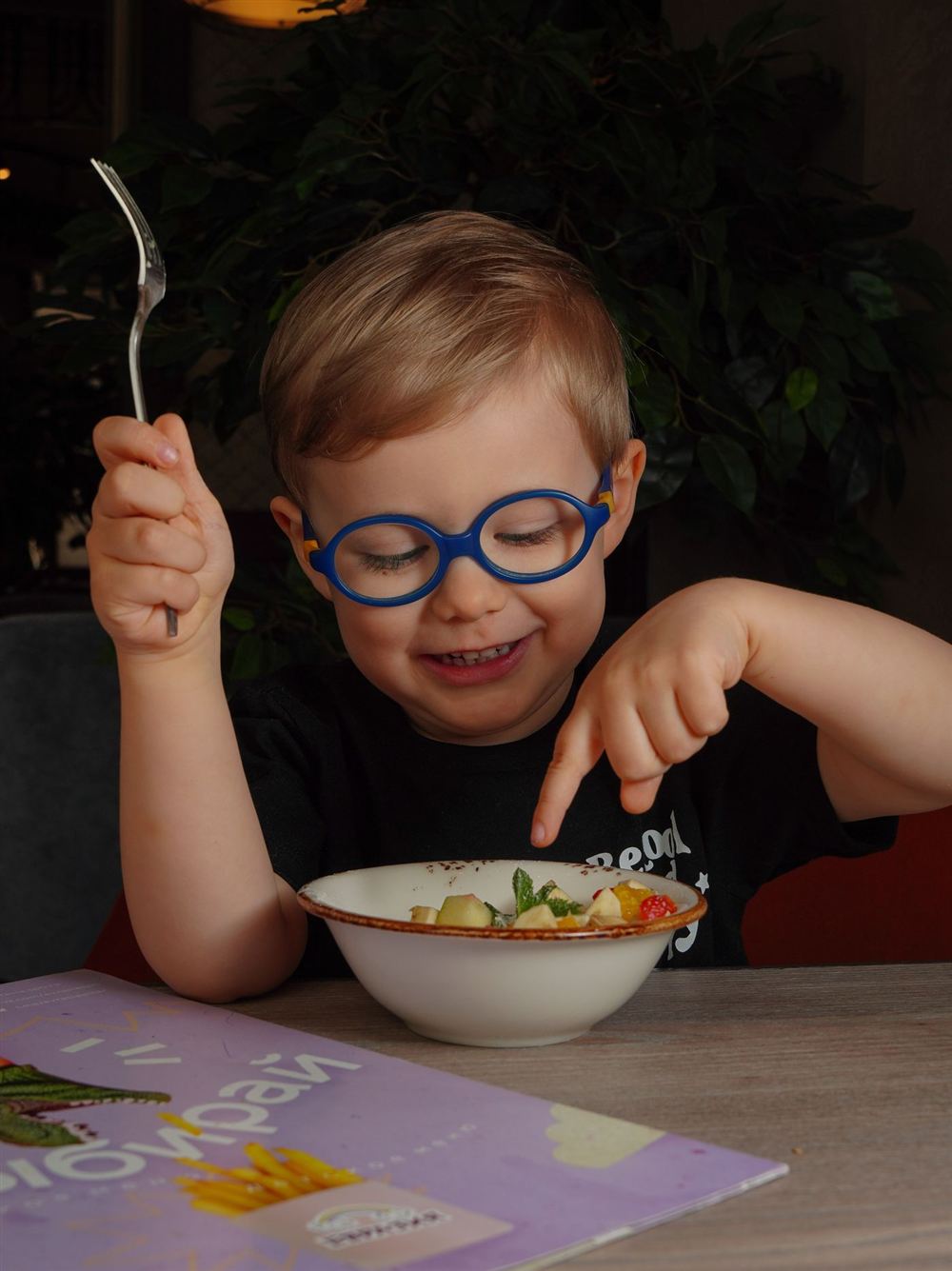
When eating is more than "fussiness"
Eating is one of the most complex things a child learns. It involves the muscles of the mouth and jaw, tolerating new textures and smells, sitting stably, coordinating hands to the mouth — and feeling safe at the table. When any of these is harder for a child, mealtimes can become a daily battle.
Feeding difficulties are common in children with autism, sensory processing differences, cerebral palsy and developmental delay, but they also occur on their own. Feeding therapy works on the underlying skills step by step, never by forcing food.
Signs it may be time for a feeding assessment
- Eats a very limited list of foods, or only one brand or texture
- Gags, spits out or vomits with new foods, lumps or mixed textures
- Still prefers purées or very soft foods well past the toddler years
- Holds food in the mouth, struggles to chew, or meals take a very long time
- Becomes distressed when new food is even on the plate
- Is not yet using a spoon, fork or open cup when peers are
If you notice weight loss, choking, breathing difficulties while eating or frequent chest infections, please see your paediatrician first.
How feeding therapy works
Feeding assessment
We look at oral-motor skills, sensory responses, posture, mealtime routines and the foods your child currently accepts.
Steps to eating
Children progress through looking, touching, smelling and playing with food before tasting — at their own pace.
Oral-motor skills
Playful activities build lip, tongue and jaw strength and coordination for chewing and drinking.
Parent coaching
Simple, consistent mealtime strategies so progress continues at home without battles.
Often supported alongside
Written by the Medic Curo clinical team, led by founder Dr. Ina Gupta (Occupational Therapist, MOT Neurology). Updated October 2026. This page is general information and does not replace an individual assessment.
Feeding therapy — common questions
Is picky eating normal, or does my child need feeding therapy?
Some fussiness is a normal part of toddlerhood. It is worth an assessment if your child eats a very small range of foods (as a rough guide, fewer than about 15–20), drops foods they used to eat, gags or vomits with new textures, takes very long over meals, or if mealtimes are causing real stress or concerns about growth.
Who provides feeding therapy at Medic Curo?
Feeding support is provided by our therapists with oral-motor and sensory expertise — drawing on occupational therapy and speech-language therapy — working with you as parents. We coordinate with your paediatrician where medical or nutritional review is needed.
Do you treat swallowing problems or tube feeding?
We focus on oral-motor skills, sensory food aversions, chewing and self-feeding. Children with swallowing safety concerns, recurrent chest infections linked to feeding, or tube feeding should first be reviewed medically; we will guide you on that step.
What happens in a feeding therapy session?
Sessions are play-based and pressure-free. Children explore foods through touch, smell and play before tasting, practise chewing and oral-motor skills, and build positive experiences step by step. You leave with simple strategies for home mealtimes.
Where is feeding therapy available in Gurgaon?
At our Sector 70 centre (Spaze Forum, Tulip Chowk) and our Sector 45 centre (Uday Nagar). Contact us to book an assessment at either centre.
Are mealtimes a daily struggle?
Book a feeding assessment — we'll help you find a calmer way forward.